


A stablecoin is only ever as stable as whatever sits behind it. European law now sorts these tokens into two categories by what that backing is, and the broader of the two is the asset-referenced token, almost always shortened to ART.
This page explains the term for readers meeting it for the first time: what an ART is, how it differs from the other kind of stablecoin, what can back one, and what its issuer must do before it may be sold in the EU.
Asset-Referenced Token: The Plain-Language Definition
An asset-referenced token is a crypto-asset that tries to hold a steady value by referencing something other than a single official currency — a basket of currencies, a commodity such as gold, one or more other crypto-assets, a right, or any combination of those.
In the wording of the Markets in Crypto-Assets Regulation, shortened to MiCA, an ART is a crypto-asset which is not an electronic money token — an EMT — and which sets out to keep a stable value by referring to some other value or right, or to a mix of several, official currencies included. Everyday language calls that an asset-backed stablecoin.
Three questions that decide the classification
- Is it a crypto-asset? It has to be recorded and transferred using distributed ledger technology.
- Does it promise stability? A token making no such claim is simply a volatile crypto-asset, outside both stablecoin categories.
- What does it reference? One official currency means an EMT. Anything else means an ART.
The ART is defined negatively: everything that promises stability and is not an electronic money token belongs to it. One case falls outside both categories altogether. A token that qualifies as a financial instrument — a tokenised share or bond, say — answers to securities law rather than to MiCA.
ART vs EMT: Where the Line Is Drawn
The two are cousins, not opposites. Both promise a steady value, both are regulated, and both give holders a redemption claim. Only the reference separates them, and everything else follows from that.
| Asset-referenced token (ART) | Electronic money token (EMT) | |
|---|---|---|
| What it references | Any mix of assets, rights or currencies except a single official currency | Exactly one official currency |
| Typical shape | A token tracking a currency basket, or representing a quantity of gold | A token redeemable one-for-one for euro |
| Who may issue it | An authorised issuer established in the Union, or a credit institution | A credit institution or an authorised electronic money institution |
| How redemption works | At the market value of the referenced assets, or by delivering them | At par value, in the currency referenced |
| What sits behind it | A segregated reserve mirroring the reference | Safeguarded funds equal to the amount issued |
Because an asset-referenced token can be tied to practically anything, its rulebook tackles a harder problem: proving that a mixed bag of holdings is worth what the token claims. The single-currency case is simpler, and sits under the separate rules for electronic money tokens.
What Backs the Token: Currency Baskets, Commodities and Collateral
Three patterns cover nearly everything in the category, and any combination of them qualifies too:
- Baskets of official currencies. A token tracking a weighted mix of, say, the euro, the dollar and the yen. A proposal for exactly this kind of global payment coin, floated by a large social network, is what pushed regulators to draft the category.
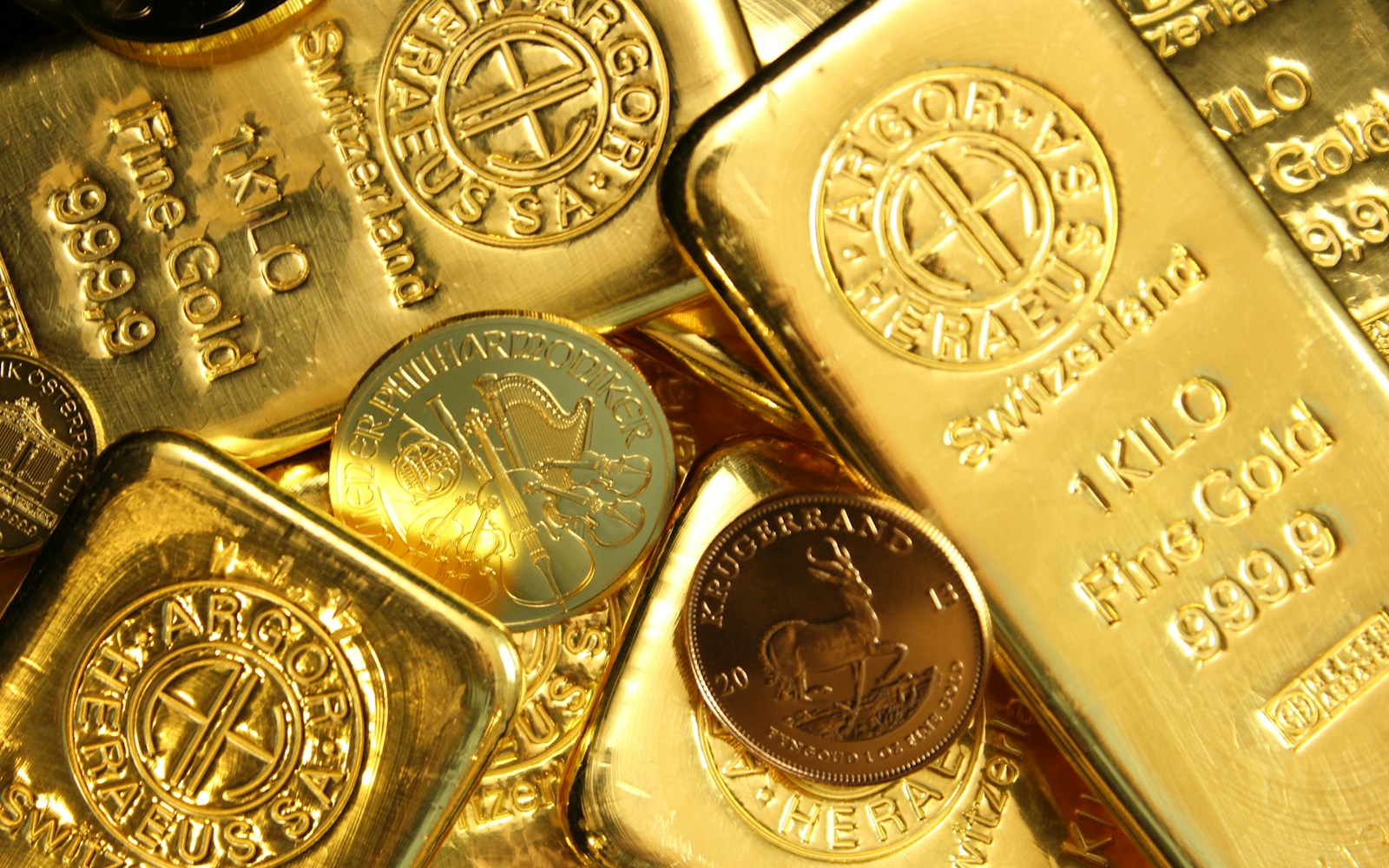
- Commodities. Commodity-backed tokens are the commonest live example: a gold-backed token stands for a fixed quantity of metal in a vault and tracks its price.
- Other crypto-assets. The collateral can be a pool of other crypto-assets, usually over-collateralised so the buffer absorbs their volatility.
The single-currency trap
A token can name one currency as its target and still be an asset-referenced token. What counts is the reference mechanism, not the label on the tin: where a coin aims at one dollar apiece but holds only crypto-assets to get there, European supervisors have treated it as an ART.
Why MiCA Created a Separate Stablecoin Category
A token pegged one-for-one to the euro always looked much like electronic money, and existing law could reach it. A token pegged to five currencies and a bar of gold looked like nothing in particular. The MiCA framework closes that gap. Three concerns sat behind the drafting:
- An escape route. Without the category, an issuer could sidestep e-money rules by adding a second currency to the peg.
- Potential scale. A basket-backed token reaching hundreds of millions of people sit between a payment system and a fund, supervised as neither.
- The risk of a run. Stablecoins fail when confidence goes and everybody redeems at once. The rules make that less likely, and more orderly if it happens.
Issuer Obligations: Authorisation, Reserves and Capital
The duties attached to an ART are heavier than for most crypto-assets, and they run for the life of the token rather than stopping at launch.
Who may issue an ART in the EU
Offering an ART to the public in the Union, or having it admitted to trading, requires authorisation from the competent authority of a Member State, and the applicant must be a legal entity established in the Union. A licensed credit institution follows a lighter route. Issuance on a small scale escapes procedure — where the average amount outstanding stays under €5 million over a rolling twelve months, or the token goes only to qualified investors — but a crypto-asset white paper is published either way.
The reserve of backing assets
Every issuer must keep a reserve backing the tokens in circulation at all times. It stays legally separate from the issuer’s own property, so holders do not compete with ordinary creditors if the business fails, and it sits with a qualified custodian. Any part of it that is invested may only go into highly liquid instruments carrying minimal market, credit and concentration risk. Its composition and valuation are independently reviewed.
The permanent right of redemption
Holders have a permanent right of redemption against the issuer. On request the issuer pays out an amount equivalent to the market value of the referenced assets, or hands over those assets, and may charge nothing for the redemption. What a holder owns is a claim on the issuer, not title to the reserve. That claim also anchors the market price: when the token trades below its reference, redeeming and selling the underlying pays, and the arbitrage pulls it back.
Own funds, stress tests and wind-down plans
On top of the reserve, the issuing company holds its own capital as a cushion — at least €350,000, or 2% of the average reserve, or a quarter of the previous year’s fixed overheads, whichever is highest. A supervisor that considers the token risky can demand up to a fifth more. Issuers also run stress tests, keep governance and conflict-of-interest policies, and prepare recovery and redemption plans for an orderly wind-down.
A token that grows large enough is reclassified as a significant asset-referenced token. Supervision passes to the European Banking Authority, the own-funds floor rises from 2% to 3% of reserve assets, and liquidity and reporting duties tighten.
What Holding an ART Means in Practice
From a holder’s side, the difference between an authorised ART and an unregulated stablecoin is threefold: you can find out what backs the token, redemption is a right rather than a favour, and somebody other than the issuer checks the arithmetic.
One limitation is worth knowing. Where an asset-referenced token is used heavily as payment inside a single currency area — above roughly a million transactions and €200 million of value a day, on a quarterly average — the issuer must halt new issuance and file a plan to bring usage back under the ceiling, so a private token cannot quietly displace an official currency.
Regulation is not a guarantee
Authorisation lowers the odds of failure and makes the aftermath more orderly. It does not promise the reference itself will behave: a token tracking a basket of currencies moves as those currencies move. Stable is not fixed.
Frequently Asked Questions
No. A token referencing exactly one official currency is an EMT; anything else is an asset-referenced token. The widely traded dollar stablecoins that hold cash reserves sit on the e-money side.
In principle yes. Gold is not an official currency, so a token tracking a quantity of metal references a non-currency asset and belongs in the ART category, whatever the marketing calls it.
Not directly. A public offer or an admission to trading in the Union requires an authorised issuer established in the EU, or a credit institution, so a foreign group normally applies through a European subsidiary.
No. Issuers are barred from granting interest on these tokens, and so are the firms distributing them. The token holds value rather than generating a yield.
The reserve is segregated from the issuer’s own estate, and every authorised issuer keeps a redemption plan ready describing how holders would be paid out in a wind-down. That cuts the risk of loss considerably, though it does not remove it.
